

North Korean Phones Secretly Take Screenshots Every 5 Minutes—One of the Most Extreme Surveillance Systems Yet
 adminSeptember 13, 20251 Mins read
By Farhan Ali• June 23, 2025
A newly revealed surveillance system from North Korea is being labeled one of the most extreme forms of digital monitoring ever documented.
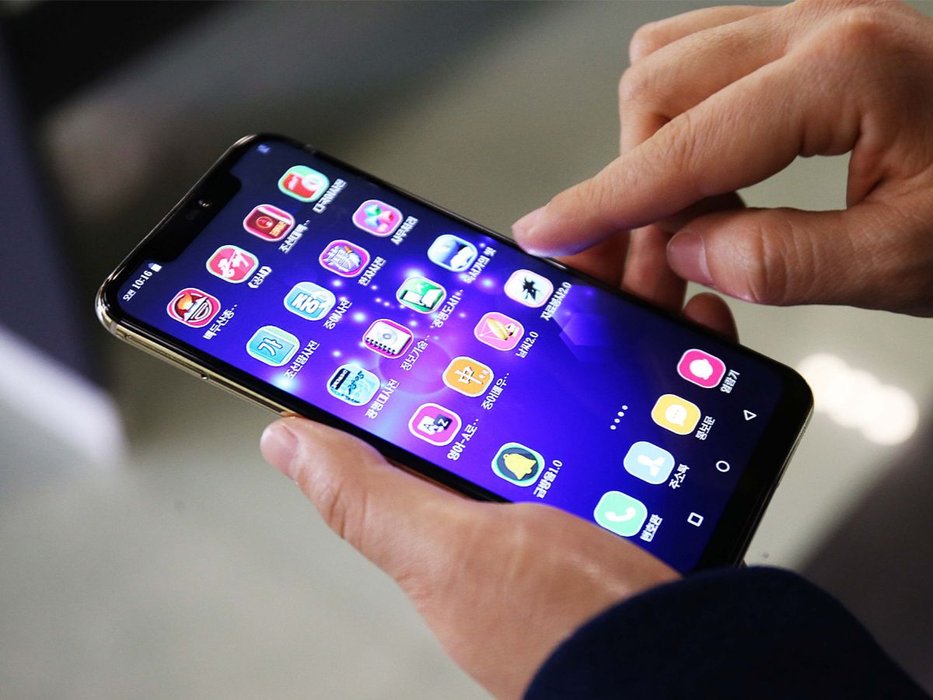
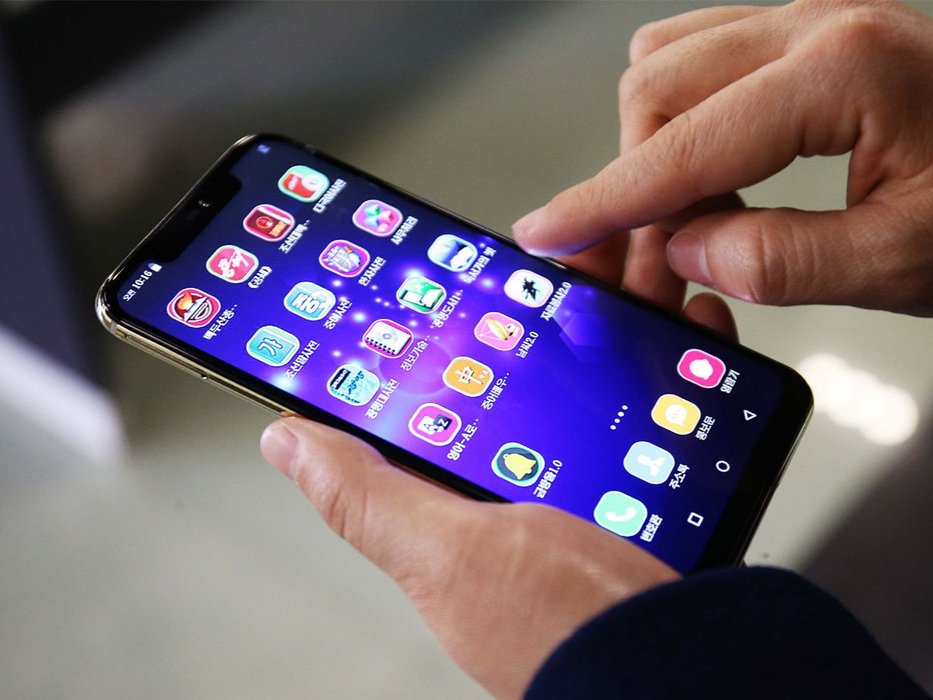
According to a BBC investigation, a smartphone smuggled out of the country contained hidden firmware designed to capture screenshots every five minutes—without alerting the user—and store them in encrypted folders.
Covert, Automated, Inescapable
These screenshots are later reviewed by authorities, helping them track:
- What users are viewing
- Messages or images being exchanged
- Whether banned content (e.g., South Korean dramas or foreign news) is being consumed
In addition to image monitoring, North Korean devices are said to include real-time text replacement engines. These automatically convert commonly used South Korean phrases or slang into regime-approved terminology, ensuring linguistic compliance with Pyongyang’s propaganda goals.
Invisible Monitoring Layer
Unlike spyware common in the West (which may require installation or have visible effects), this system operates natively. Screenshots and data transmissions are completely invisible to the user.
International human rights experts are calling this one of the most invasive examples of state digital control ever deployed.
“This goes far beyond censorship,” said a UN cybersecurity researcher. “This is real-time, passive surveillance embedded into the core operating system of every device sold in the country.”
Background: North Korea’s Digital Iron Curtain
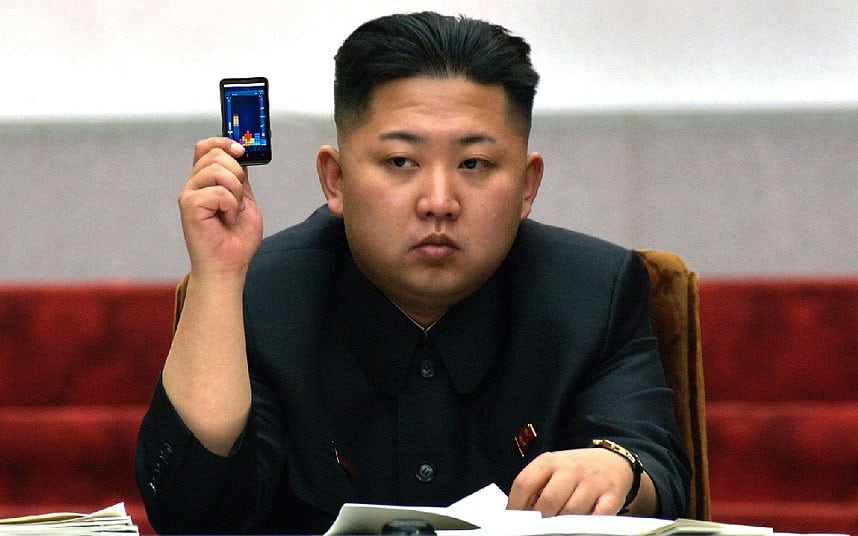
- All smartphones in North Korea are government-controlled and cannot access the global internet.
- Content is delivered through a tightly regulated intranet.
- Phones are subject to physical inspections at checkpoints.
Now, it’s clear that even digital behavior thought to be private is closely monitored.
Bigger Implications
This discovery aligns with growing global concerns about authoritarian use of tech:
- China’s AI-powered facial tracking
- Iran’s protestor phone interception
- Myanmar’s SIM registration and app bans
North Korea’s model, however, is passively embedded and entirely invisible—arguably the most technically seamless and behaviorally manipulative among them.
Final Thoughts
This surveillance system redefines the boundaries of totalitarian digital governance.
It’s not just about knowing what citizens read or watch—it’s about erasing the possibility of digital freedom altogether.
As tech becomes increasingly invasive worldwide, North Korea’s model may serve as a grim case study in how far regimes will go to suppress information—even inside people’s pockets.





New York Rises as Consumer Tech Hub as Gen Z Founders Redraw the Startup Map
By Farhan Ali • June 23, 2025 The center of gravity in...
adminSeptember 15, 2025

Big Tech Layoffs Accelerate in 2025 as Companies Double Down on AI Efficiency
By Farhan Ali • June 23, 2025 U.S. technology giants are cutting...
adminSeptember 14, 2025

Singularity Incoming? Experts Predict AI Could Surpass Human Intelligence by Early 2026
By Farhan Ali • June 23, 2025 According to a growing number...
adminSeptember 13, 2025

Indonesia’s Bramara Drone Ushers in New Era of Ground-Based Precision Warfare
By Evolution Staff • June 23, 2025 Indonesia’s defense sector just crossed...
adminSeptember 13, 2025




Leave a comment