

Liquid Glass: Apple’s Secret Weapon in the Race for Everyday AR Glasses
 adminSeptember 11, 20252 Mins read


By Farhan Ali • June 23, 2025
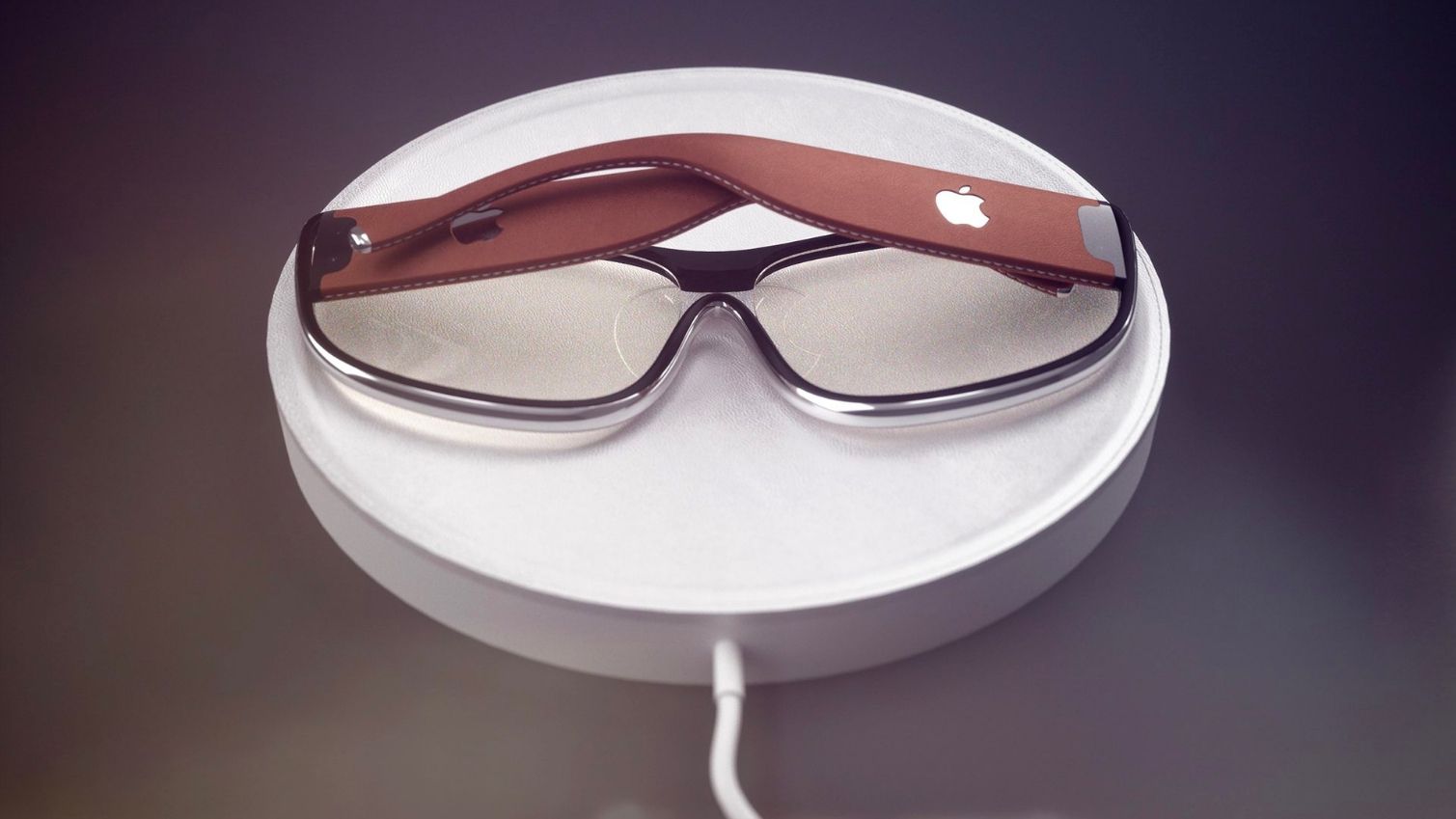
The launch of Apple Vision Pro was supposed to signal a new era of spatial computing. But with its $3,500 price tag and ski-goggle-sized footprint, the headset has yet to capture the everyday consumer. Now, Apple is quietly working on something far sleeker: lightweight, AR-enabled glasses powered by a cutting-edge material known as Liquid Glass.
What Is Liquid Glass?
Liquid Glass is not a single substance, but a class of hybrid nanomaterials engineered to combine transparency, durability, and electronic conductivity. The idea is to create a lens-like display layer that can project light, read gestures, and host sensor nodes—while maintaining the look and feel of designer eyewear.
Key properties include:
- Ultra-thin flexibility
- High optical clarity with embedded pixels
- Touch and gesture responsiveness
- Built-in transparency control (similar to smart sunglasses)
- Heat resistance and ultra-light weight
How It Fits Apple’s Strategy
Apple has always succeeded by merging sleek hardware with intuitive software. Liquid Glass could allow Apple to:
- Ditch bulky microdisplays for embedded lenses
- Enable Siri-activated interfaces via gaze or gesture
- Offer biometric integration (e.g., pupil dilation as input)
- Create eyewear that doesn’t scream “tech device”
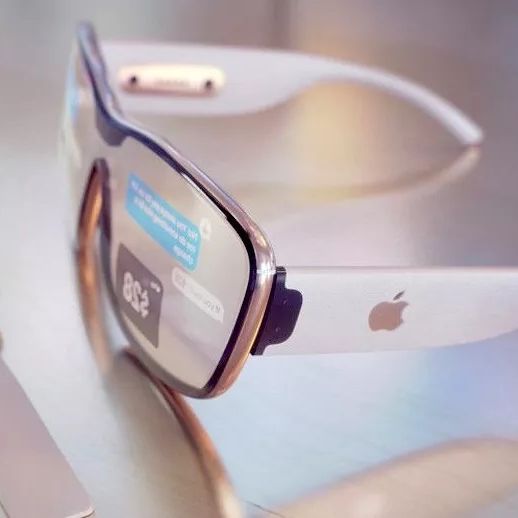
Sources indicate Apple has filed patents for curved, translucent substrates that match Liquid Glass characteristics and has partnered with display and materials startups in Taiwan, Korea, and Arizona.
AR Glasses vs. Vision Pro
While Vision Pro targets early adopters and professionals, Apple’s Liquid Glass concept is meant to serve as the “iPhone of AR”—something people wear daily, not just for content consumption or work. This vision aligns with CEO Tim Cook’s repeated claim that “AR is the most profound technology of our time.”
When Could It Launch?
Rumors suggest a prototype is already being tested internally, with a potential reveal timeline of late 2026 or early 2027. However, commercial rollout could depend on breakthroughs in battery miniaturization, software refinement, and privacy regulation.
Challenges Ahead
- Power supply: AR glasses need multi-hour battery life in a frame thinner than a pencil.
- Display yield: Liquid Glass displays are still difficult to manufacture at scale.
- UX design: What does an OS designed for glasses—even without apps—look like?
Conclusion
If Liquid Glass delivers on its promise, Apple could redefine personal computing again—this time through our faces. In a world full of screen fatigue and notification overload, the future may not just be immersive—it may be almost invisible.
Additional References:
- TechCrunch (@techcrunch)
- MacRumors AR Tracker (@macrumors)
- The Verge Tech Desk (@theverge)
- Bloomberg Business Tech (@bloombergbusiness)
- Patently Apple (@patentlyapple)






New York Rises as Consumer Tech Hub as Gen Z Founders Redraw the Startup Map
By Farhan Ali • June 23, 2025 The center of gravity in...
adminSeptember 15, 2025

Big Tech Layoffs Accelerate in 2025 as Companies Double Down on AI Efficiency
By Farhan Ali • June 23, 2025 U.S. technology giants are cutting...
adminSeptember 14, 2025

Singularity Incoming? Experts Predict AI Could Surpass Human Intelligence by Early 2026
By Farhan Ali • June 23, 2025 According to a growing number...
adminSeptember 13, 2025

North Korean Phones Secretly Take Screenshots Every 5 Minutes—One of the Most Extreme Surveillance Systems Yet
By Farhan Ali• June 23, 2025 A newly revealed surveillance system from...
adminSeptember 13, 2025





Leave a comment