

Samsung Under Fire for Secretly Installing Surveillance App on Phones in the MENA Region
 adminSeptember 8, 20252 Mins read

By Farhan Ali • June 23, 2025
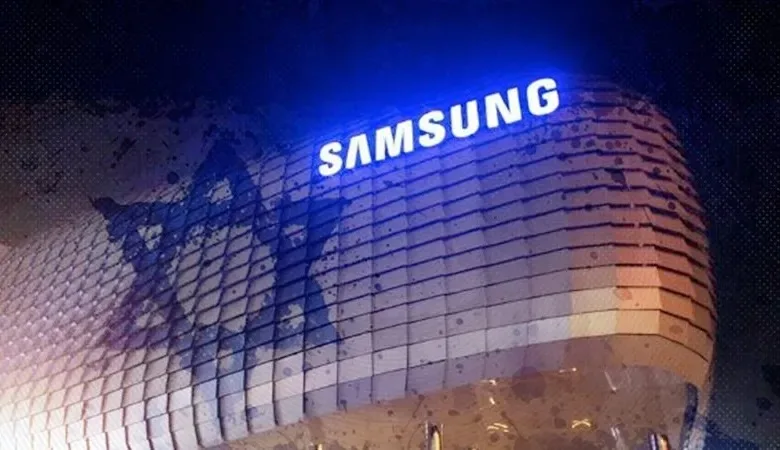
Samsung is facing a storm of backlash after digital rights groups revealed that several of its smartphones sold across the Middle East and North Africa (MENA) are preloaded with—or automatically install—a surveillance application reportedly tied to Israeli developers. The app, called “Aura,” has sparked privacy concerns, especially in politically sensitive territories.
The warning comes from SMEX (Social Media Exchange), a Beirut-based nonprofit focused on advancing digital rights across West Asia and North Africa. According to their investigation, Samsung’s A and M series smartphones either ship with the app pre-installed or push it silently through system updates, without alerting or requesting permission from users.
The Privacy Risks
SMEX reports that “Aura” can harvest a wide array of personal and device-specific data:
- IP addresses and geolocation
- Device model, IMEI, and fingerprint data
- App usage patterns and network information
- Potential hardware identifiers tied to unique users
The app’s presence may go undetected, buried under system-level permissions and hidden from uninstall lists. Researchers fear it can act as a permanent tracking system for users—particularly troubling in regions where political activism or digital dissent may be met with surveillance or retaliation.
Samsung’s Response?
As of now, Samsung has not issued an official statement in response to SMEX’s claims. The tech giant faces increasing pressure from privacy groups, legal activists, and everyday users who feel their basic digital rights have been violated. Calls for international investigations and consumer protection probes are mounting across MENA.
Wider Implications
This incident echoes broader concerns about surveillance tech being embedded into everyday consumer devices, often through opaque vendor partnerships or third-party software contracts. Experts from Access Now and Privacy International stress that without enforceable transparency laws, users in vulnerable regions remain exposed to exploitative data practices.
Public Reaction
The hashtag #BoycottSamsung is already trending in several countries. Xiaomi and Huawei—long criticized for their own security risks—have ironically gained new attention from users disillusioned with Western tech brands.
Conclusion
As surveillance tech grows more sophisticated, and regulatory oversight remains patchy, stories like the Samsung “Aura” app raise urgent questions about consent, control, and corporate accountability. For users in the MENA region, the smartphone in their pocket may no longer be just a tool—it may also be a silent observer.

Additional References:
- SMEX Research Report: smex.org/samsung-surveillance
- Morocco World News (@moroccoworldnewsofficial)
- Privacy International (@privacyinternational)
- Access Now (@accessnow)
- Electronic Frontier Foundation (@efforg)






New York Rises as Consumer Tech Hub as Gen Z Founders Redraw the Startup Map
By Farhan Ali • June 23, 2025 The center of gravity in...
adminSeptember 15, 2025

Big Tech Layoffs Accelerate in 2025 as Companies Double Down on AI Efficiency
By Farhan Ali • June 23, 2025 U.S. technology giants are cutting...
adminSeptember 14, 2025

Singularity Incoming? Experts Predict AI Could Surpass Human Intelligence by Early 2026
By Farhan Ali • June 23, 2025 According to a growing number...
adminSeptember 13, 2025

North Korean Phones Secretly Take Screenshots Every 5 Minutes—One of the Most Extreme Surveillance Systems Yet
By Farhan Ali• June 23, 2025 A newly revealed surveillance system from...
adminSeptember 13, 2025





Leave a comment